

Exploring the Landscape of History at Mill Springs Battlefield National Monument
WLA Studio is excited to begin work on a new Cultural Landscape Report (CLR) and Cultural Landscape Inventory (CLI) for Mill Springs Battlefield National Monument in south-central Kentucky. Working with the National Park Service, our team will document and evaluate the historic landscape of one of the Civil War’s most significant early battles, helping guide its preservation and management for future generations.
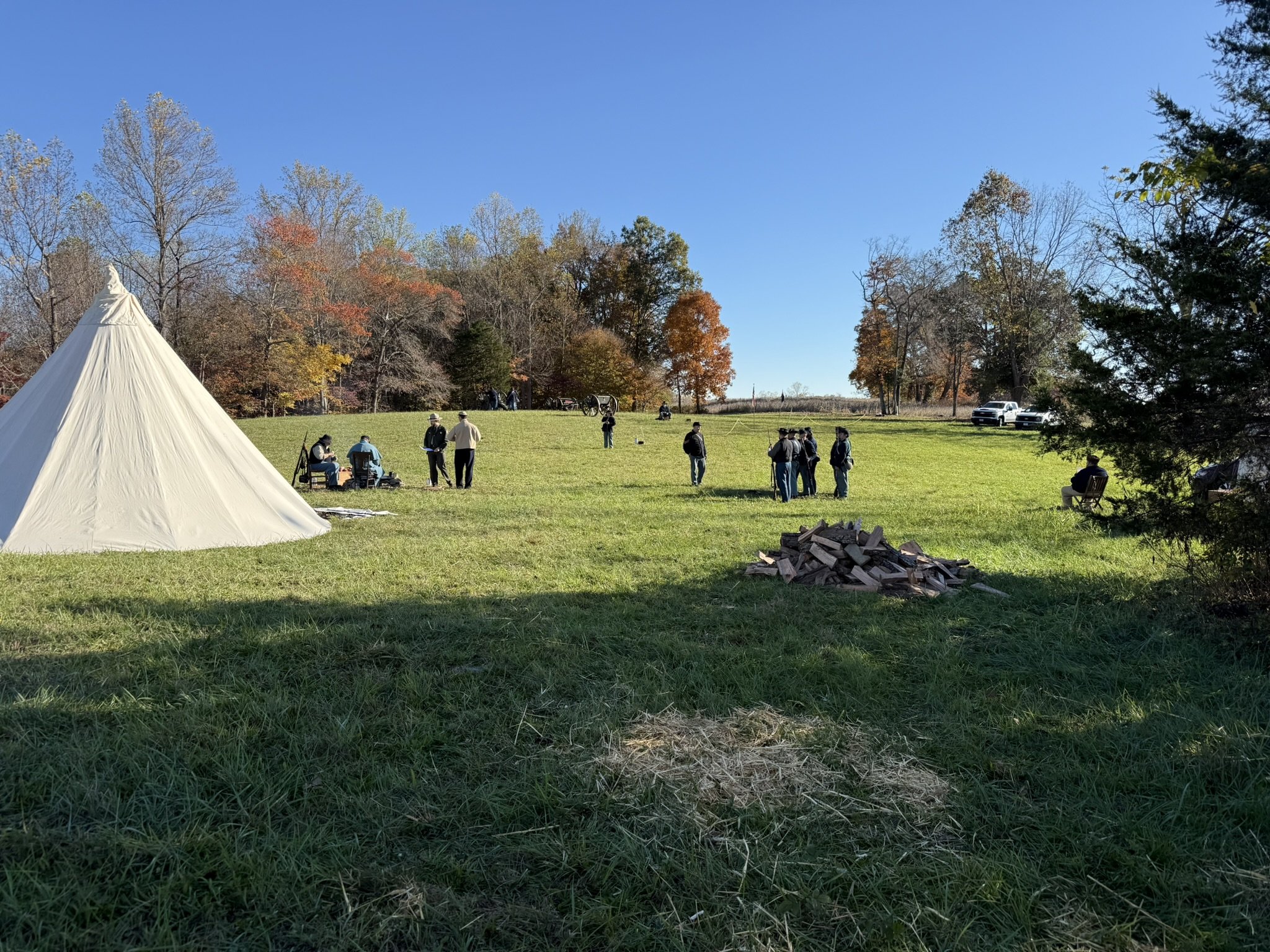
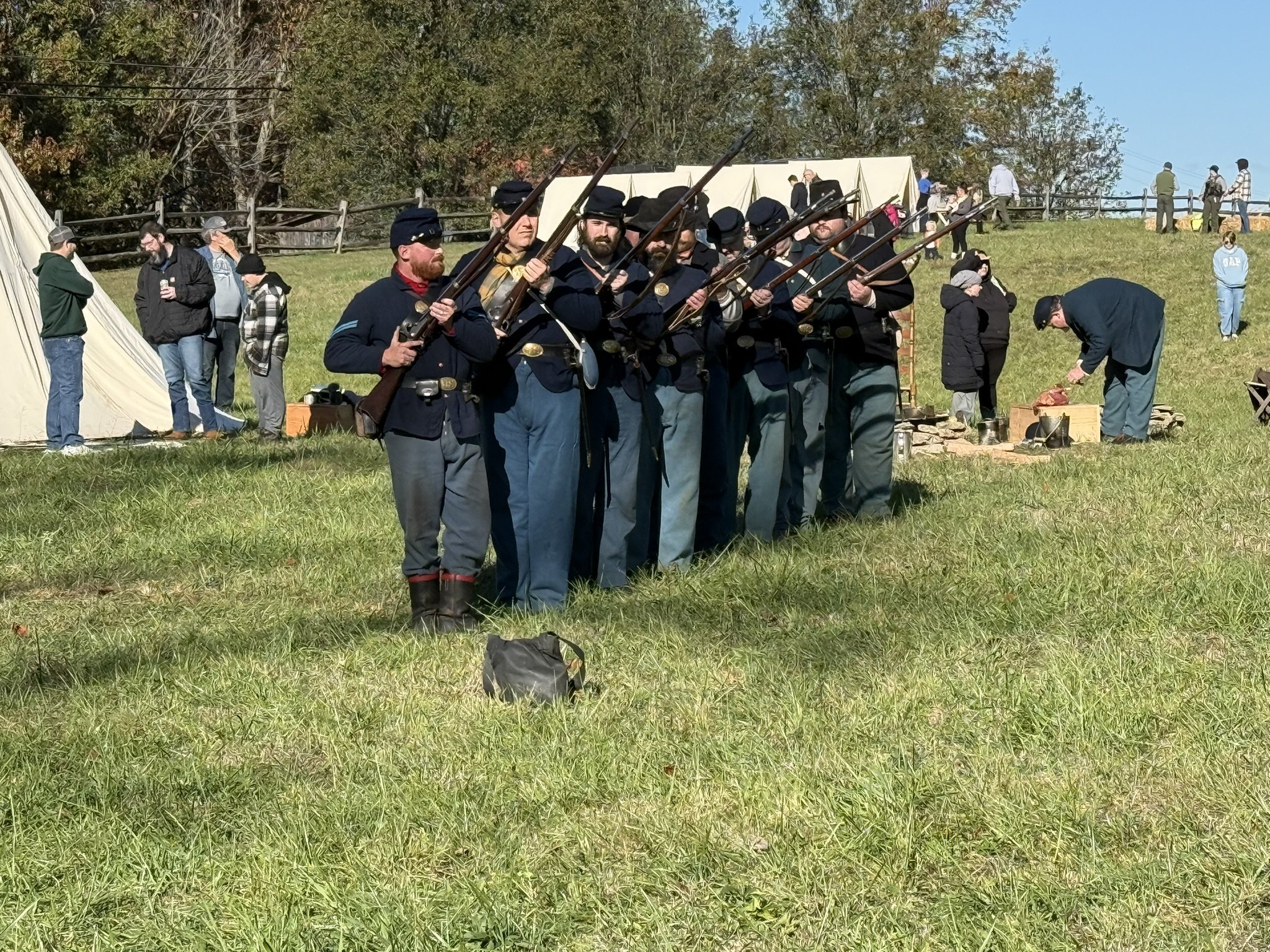
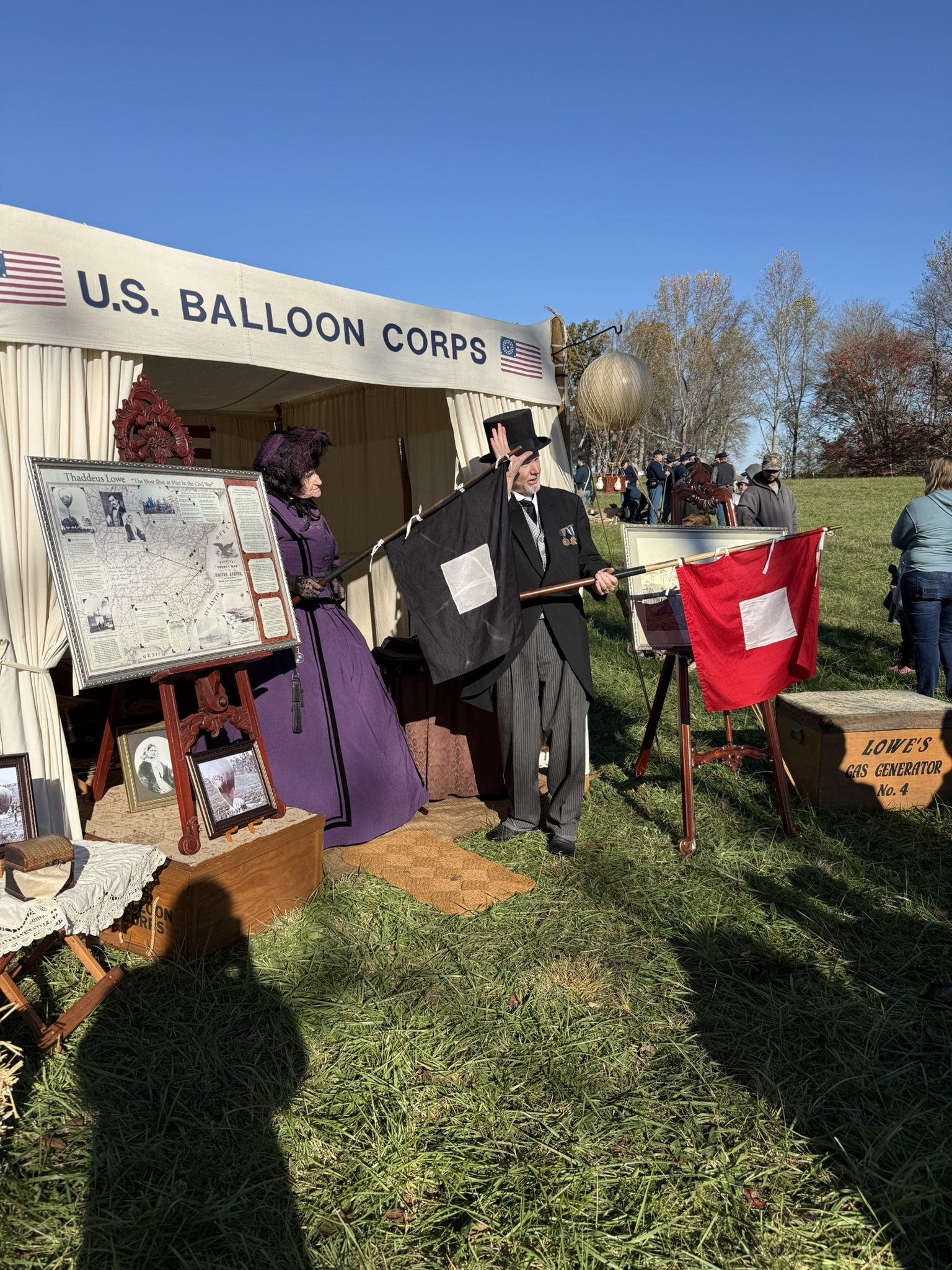
On January 19, 1862, U.S. Army forces under Brigadier General George H. Thomas defeated Confederate troops at the Battle of Mill Springs, securing one of the first major federal victories in the Western Theater of the Civil War. The battle helped weaken Confederate control in Kentucky and shifted momentum toward U.S. Army forces during the early months of the war. Today, the battlefield's rolling hills, agricultural fields, wooded areas, and historic road corridors provide a tangible connection to the events that unfolded more than 160 years ago.
Our team recently visited the battlefield to begin field investigations, coinciding with the National Park Service's fourth annual Conflict at the Crossroads living history event on November 7, 2026. Held at historic Zollicoffer Park, the event brought Civil War history to life through military encampments, artillery and musket demonstrations, battlefield tours, and educational programs. The event provided a unique opportunity to experience how the landscape serves not only as a historic resource but also as a setting for interpretation, education, and public engagement.
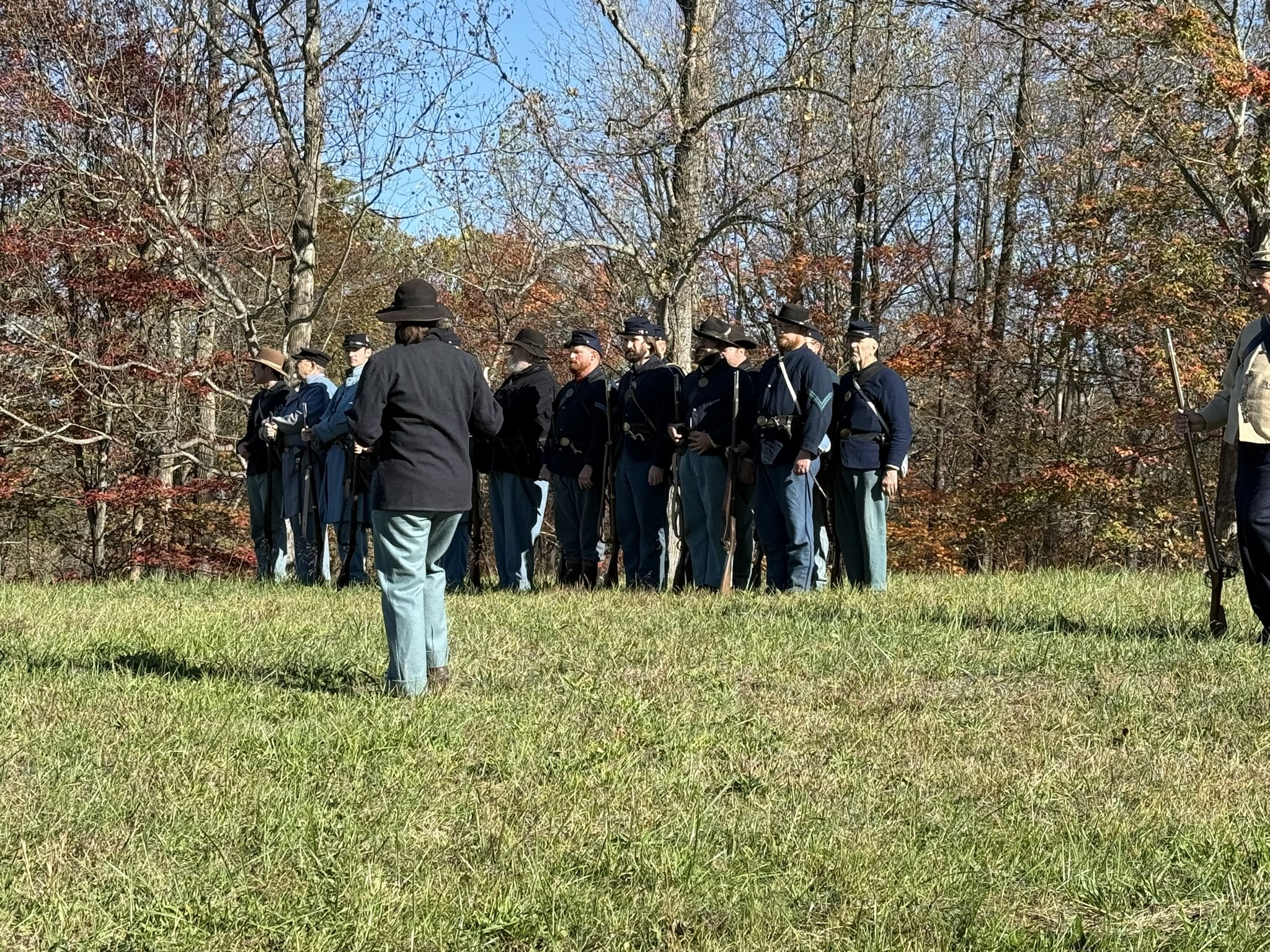
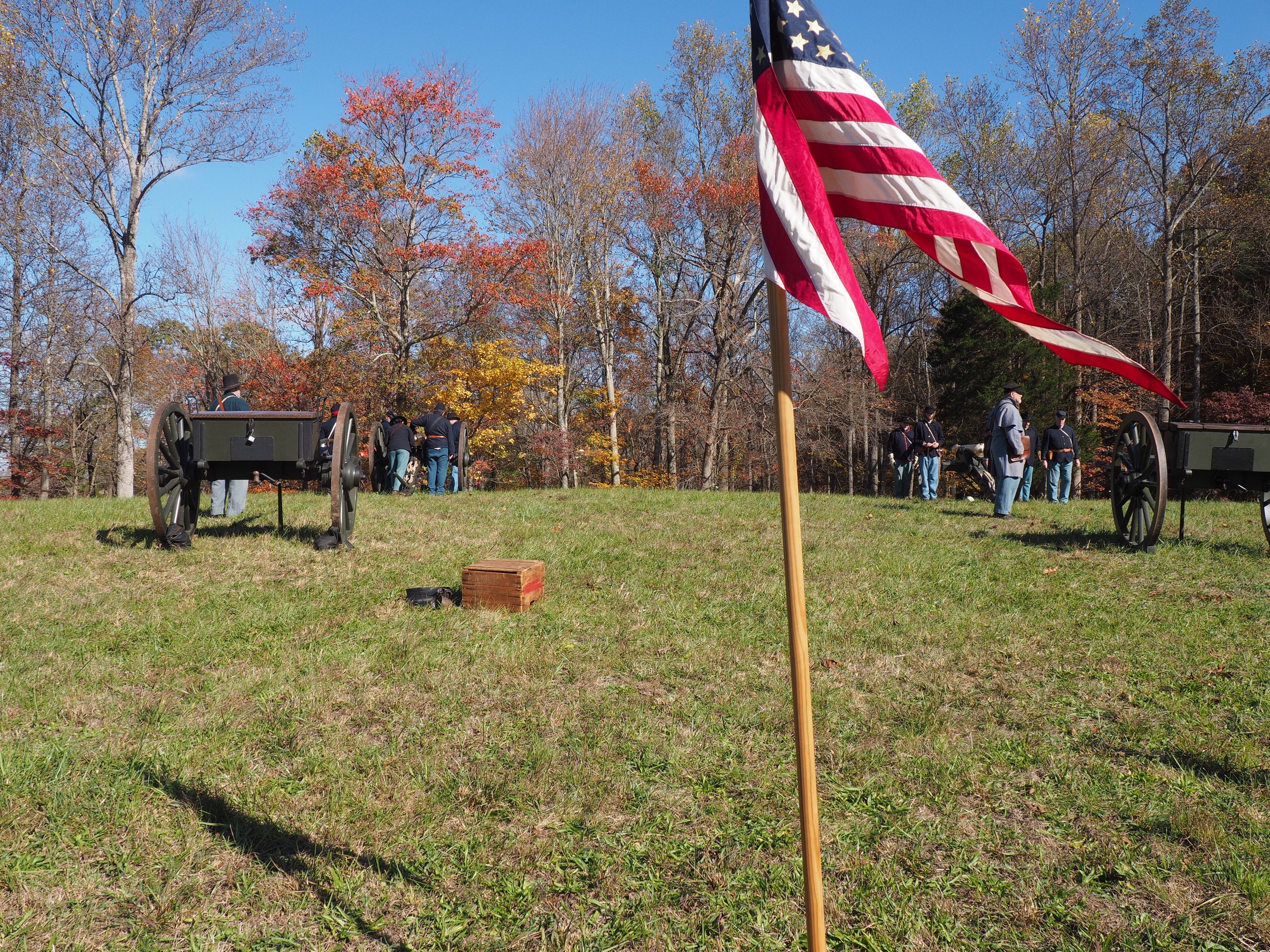
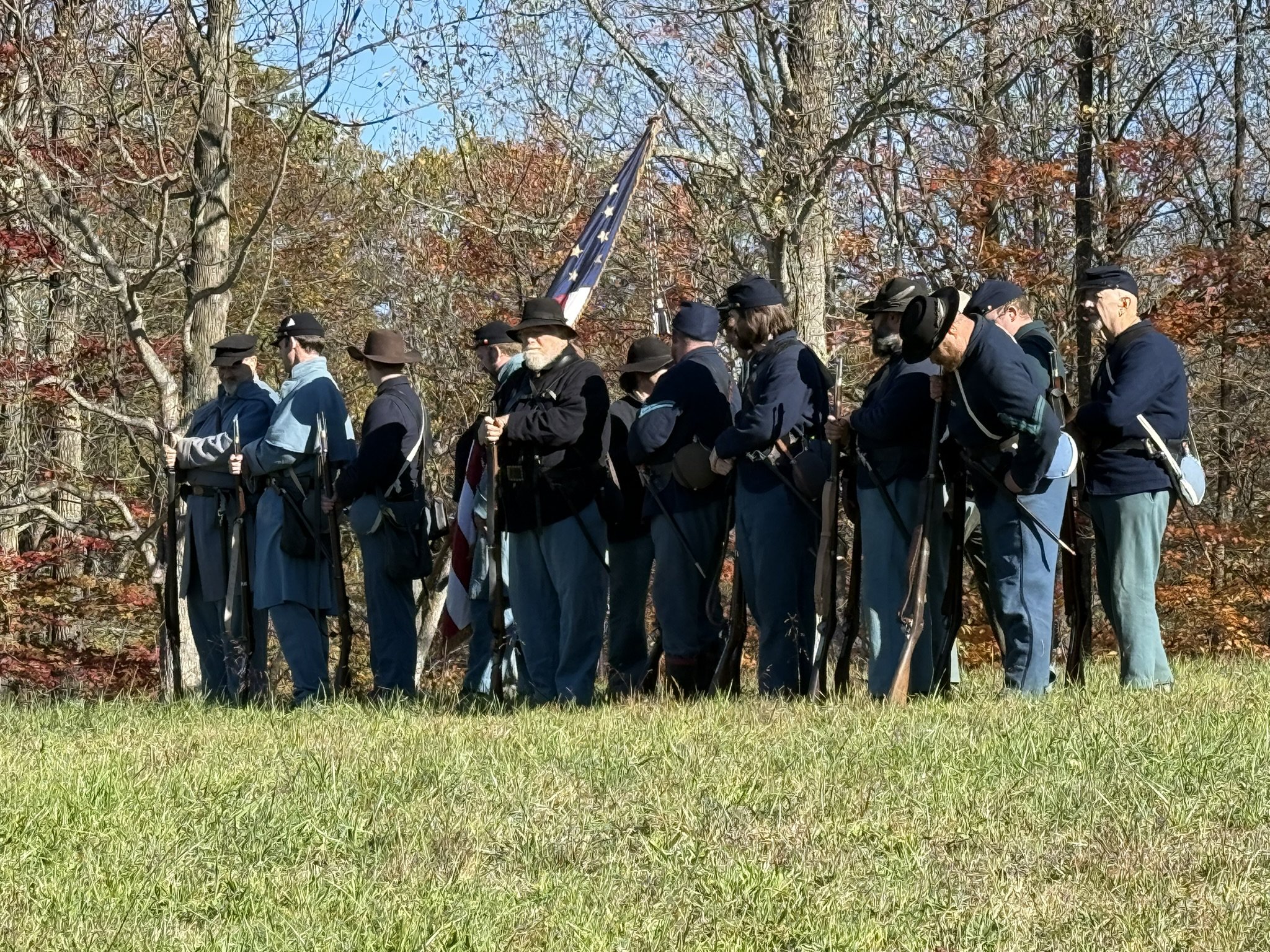
As landscape historians, we recognize that understanding a battlefield requires looking beyond the events of a single day. The physical landscape—including topography, vegetation, circulation routes, agricultural patterns, and viewsheds—played a critical role in shaping military movements and the outcome of the battle. These same features continue to communicate the site's history, even as the landscape has evolved over time.
Attending the living history event offered an especially meaningful beginning to this work. Watching visitors engage with the battlefield underscored the importance of preserving the physical landscape that gives these stories context. At Mill Springs, the relationship between history and place remains remarkably powerful.